The Enduring Loyalty of Dogs: Is It Still Relevant Today?
Dogs have been called "man's best friend" for generations, but in today's world of busy schedules, urban living, and changing relationships with animals, it's worth asking: does that reputation for loyalty still hold up? As it turns out, modern science has actually strengthened the case for it, revealing that dog loyalty isn't just a sentimental idea—it's backed by real biology.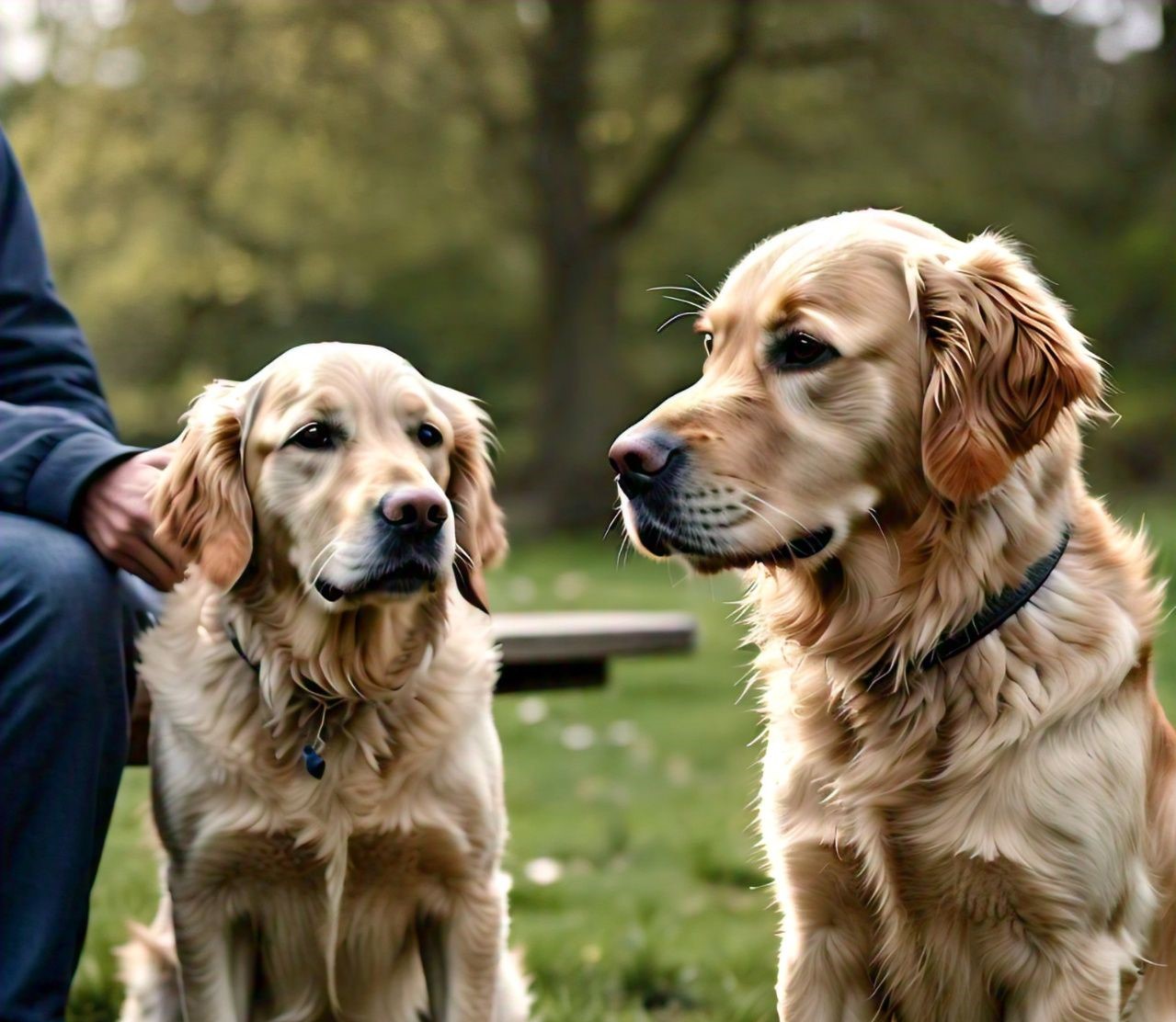
The Science Behind Why Dogs Bond With Us
For years, some scientists dismissed canine devotion as simple "cupboard love"—a learned response tied purely to getting food and shelter. But research over the past decade has told a very different story. Studies have found that when dogs and their owners make eye contact, both experience a measurable rise in oxytocin, often called the "bonding hormone" or "love hormone." This is the same hormone responsible for strengthening the bond between human parents and their children.
A landmark 2015 study published in the journal Science found something remarkable: this oxytocin response created a positive feedback loop between dogs and their owners—the longer a dog gazed at its owner, the more oxytocin both of them produced, deepening the bond further. Interestingly, researchers found this effect in domestic dogs but not in wolves, suggesting this particular form of bonding developed specifically during the domestication process, as dogs evolved alongside humans over thousands of years.
For years, some scientists dismissed canine devotion as simple "cupboard love"—a learned response tied purely to getting food and shelter. But research over the past decade has told a very different story. Studies have found that when dogs and their owners make eye contact, both experience a measurable rise in oxytocin, often called the "bonding hormone" or "love hormone." This is the same hormone responsible for strengthening the bond between human parents and their children.
A landmark 2015 study published in the journal Science found something remarkable: this oxytocin response created a positive feedback loop between dogs and their owners—the longer a dog gazed at its owner, the more oxytocin both of them produced, deepening the bond further. Interestingly, researchers found this effect in domestic dogs but not in wolves, suggesting this particular form of bonding developed specifically during the domestication process, as dogs evolved alongside humans over thousands of years.
Why Some People Misread Loyalty
Despite this strong biological basis for attachment, it's common for owners to occasionally misinterpret a dog's behavior as disloyalty when it's actually something else entirely. A dog that suddenly runs off, gets distracted, or doesn't immediately respond to being called isn't necessarily rejecting their bond with their owner—more often, they're responding to a separate, powerful instinct, such as investigating an interesting scent, reacting to another animal, or simply being in an unfamiliar or overstimulating environment.
This kind of moment can feel like a betrayal in the heat of it, but it's important to separate a dog's underlying attachment—which research shows is genuinely deep and consistent—from momentary distraction or instinct-driven behavior, which is a completely different thing. A dog can be loyal in every meaningful sense while still occasionally acting on instincts that have nothing to do with how they feel about their owner.
Despite this strong biological basis for attachment, it's common for owners to occasionally misinterpret a dog's behavior as disloyalty when it's actually something else entirely. A dog that suddenly runs off, gets distracted, or doesn't immediately respond to being called isn't necessarily rejecting their bond with their owner—more often, they're responding to a separate, powerful instinct, such as investigating an interesting scent, reacting to another animal, or simply being in an unfamiliar or overstimulating environment.
This kind of moment can feel like a betrayal in the heat of it, but it's important to separate a dog's underlying attachment—which research shows is genuinely deep and consistent—from momentary distraction or instinct-driven behavior, which is a completely different thing. A dog can be loyal in every meaningful sense while still occasionally acting on instincts that have nothing to do with how they feel about their owner.
What Genuine Loyalty Actually Looks Like
According to researchers and veterinary behaviorists, real canine loyalty tends to show up in consistent, everyday behaviors rather than dramatic moments:
- Following you from room to room, not out of neediness, but because dogs generally prefer their owner's company over being alone
- Waiting by the door for your return, even when there are more comfortable places to rest
- Picking up on your emotional state and adjusting their behavior—many dogs will approach and offer comfort when their owner is upset
- Choosing proximity to their owner over other options when given the choice, particularly in unfamiliar or stressful situations
A 2014 study out of Vienna examining dog and wolf pack behavior found that dogs' relationships with humans tend to be structured hierarchically, with the owner at the top—a dynamic shaped by thousands of years of selective breeding for traits like dependence on and cooperation with human caregivers.
According to researchers and veterinary behaviorists, real canine loyalty tends to show up in consistent, everyday behaviors rather than dramatic moments:
- Following you from room to room, not out of neediness, but because dogs generally prefer their owner's company over being alone
- Waiting by the door for your return, even when there are more comfortable places to rest
- Picking up on your emotional state and adjusting their behavior—many dogs will approach and offer comfort when their owner is upset
- Choosing proximity to their owner over other options when given the choice, particularly in unfamiliar or stressful situations
A 2014 study out of Vienna examining dog and wolf pack behavior found that dogs' relationships with humans tend to be structured hierarchically, with the owner at the top—a dynamic shaped by thousands of years of selective breeding for traits like dependence on and cooperation with human caregivers.
Does a Dog's History Affect Their Loyalty?
It's also worth acknowledging that a dog's background does shape how quickly and how strongly this bond develops. A dog raised from puppyhood in a stable, caring environment typically has more time and opportunity to build a secure attachment. A dog with an unclear history—particularly one that spent time as a stray or was treated inconsistently—may take longer to fully trust a new owner, not because they're inherently less loyal, but because trust naturally takes longer to build when past experiences have been unpredictable or harsh.
This is an important distinction for anyone adopting an older dog or one with an unknown background: patience matters. The biological capacity for deep loyalty is there, but like any relationship, it develops through consistent, positive interaction over time rather than being automatic from day one.
It's also worth acknowledging that a dog's background does shape how quickly and how strongly this bond develops. A dog raised from puppyhood in a stable, caring environment typically has more time and opportunity to build a secure attachment. A dog with an unclear history—particularly one that spent time as a stray or was treated inconsistently—may take longer to fully trust a new owner, not because they're inherently less loyal, but because trust naturally takes longer to build when past experiences have been unpredictable or harsh.
This is an important distinction for anyone adopting an older dog or one with an unknown background: patience matters. The biological capacity for deep loyalty is there, but like any relationship, it develops through consistent, positive interaction over time rather than being automatic from day one.
So, Is Dog Loyalty Still Relevant Today?
If anything, modern research has made the case for dog loyalty stronger, not weaker. What used to be treated as a charming cliché is now backed by hormonal studies, brain imaging research, and behavioral science showing that dogs form genuine, biologically-driven attachments to their owners—attachments that in many ways mirror the bonds humans form with each other.
If anything, modern research has made the case for dog loyalty stronger, not weaker. What used to be treated as a charming cliché is now backed by hormonal studies, brain imaging research, and behavioral science showing that dogs form genuine, biologically-driven attachments to their owners—attachments that in many ways mirror the bonds humans form with each other.
Final Thoughts
Dog loyalty isn't an outdated sentiment—it's a well-documented biological reality, reinforced by shared brain chemistry between dogs and the people who care for them. Understanding this helps put occasional moments of distraction or instinct-driven behavior into proper perspective: they don't undo the deeper, consistent bond that most dogs form with their owners over time. If anything, the science makes the old reputation feel more deserved than ever.
Dog loyalty isn't an outdated sentiment—it's a well-documented biological reality, reinforced by shared brain chemistry between dogs and the people who care for them. Understanding this helps put occasional moments of distraction or instinct-driven behavior into proper perspective: they don't undo the deeper, consistent bond that most dogs form with their owners over time. If anything, the science makes the old reputation feel more deserved than ever.
Comments
Post a Comment